



I made it in actual size as much as possible to make the alcove of Shoin-zukuri (former carpenter). There are 5 types of shoji screens. There are two types of veranda. There are two types of shutters. There are two patterns of alcoves. It is also possible to make it a Japanese-style room without an alcove.
Built in real scale for Shoin-zukuri Tokonoma (Former carpenter). 5 types of Shoji, 2 types of Engawa, 2 types of Amado. 2 patterns of Tokonoma. Can be a Washitsu without Tokonoma.
書院造の床の間を作るために極力実寸で制作しました(元大工)。障子が5種類。縁側が2種類。雨戸が2種類。床の間は2パターン有ります。床の間なしの和室にすることも可能です。
Built in real scale for Shoin-zukuri Tokonoma (Former carpenter). 5 types of Shoji, 2 types of Engawa, 2 types of Amado. 2 patterns of Tokonoma. Can be a Washitsu without Tokonoma.
書院造の和室です。
This is a Japanese-style room built in the Shoin-zukuri style.

カメラを寄せてみます。
Let's zoom in with the camera.

正面です。
This is the front view.

パーツ移動を伴いますが、普通の床の間にすることもできます。
It can also be configured as a standard tokonoma (alcove), though it requires moving some parts.

<注意点>
〇方角は中央から見て窓の方向を「S(南)」と定義しています。 多くのパーツの頭文字はN、E、S、Wとなっていてそれぞれ方角を示しています。
〇各開口部の子に入っている「sheet(障子紙)」や「grass(ガラス)」は、透過効果が不十分な際は非表示にしてください。
〇床の間は「shoin_base(書院造)」と「普通」の2種類です。
- 初期設定では「広縁&荒組障子&書院造」の状態になっています。
- 普通の床の間にする際は構成パーツを動かしているので、プリセットにて「基本床の間&荒組&くれ縁」を選択してください。
- 床の間を使わない場合は「W_entry(西開口部)」か「W_wall(西壁)」を表示して普通の和室にすることも可能です。
〇障子は以下の5種類です。 「S_entry(南開口部)」のみの設置です。 プリセットでも設定できます。
- S_aragumi(荒組障子)


- S_koshituki(腰付き障子)


- S_yokogumi(横組障子)


- S_yokoshige(横繁障子)


- S_yukimi(雪見障子)
このほかにS_door(普通の襖)も選択可能です。


〇縁側は以下の2種類です。 雨戸も2種類でそれぞれの子関係にあります。 各種可動部も同じ子関係グループです。
- hiroen(広縁)
- hiroen_x_amadoA(雨戸A)
- hiroen_x_amadoB(雨戸B)
- hiroen_x_door_1(ガラス戸)
- hiroen_x_door_1_parts(クレセント錠)
- hiroen_x_door_1_glass(ガラス板)
- hiroen_x_door_2(ガラス戸)
- hiroen_x_door_2_glass(ガラス板)
- kureen(くれ縁)
- 以下同様
〇S以外の方向はそれぞれ「X_wall(壁)」や「X_entry(開口部)」を選択できます。
〇廊下など継ぎ足す場合は、柱と柱が揃うようにしてください。
〇ライティングの調整で障子などの不透明度を調整できますが、ライティングを切ると白くなります。
Technical Notes / Usage Guide
[ Directions ]
- S (South) is defined as the window direction from the center.
- Most parts start with N, E, S, W for orientation.
[ Transparency Settings ]
- If transparency is insufficient, please hide the "sheet" (shoji paper) or "glass" objects inside the child folders of each opening.
[ Tokonoma Styles ]
- Two types available: "shoin_base" (Shoin-style) and "Normal".
- Default setup: Hiro-engawa & Aragumi-shoji & Shoin-zukuri.
- To use the Normal style, select the "基本床の間&荒組&くれ縁" preset (as parts have been moved).
- For a standard room without Tokonoma, select "W_entry" or "W_wall".
[ Shoji & Doors ] 5 types available (for S_entry only):
- S_arama (Aragumi-shoji)
- S_koshituki (Koshitsuki-shoji)
- S_yokogumi (Yokogumi-shoji)
- S_yokoshige (Yokoshige-shoji)
- S_yukimi (Yukimi-shoji)
- S_door (Standard Fusuma) is also selectable.
[ Engawa & Rain Doors ] Two types available. Rain doors (Amado) and movable parts are organized in the same child-parent hierarchy:
- hiroen (Wide veranda)
- hiroen_x_amadoA / B (Rain doors)
- hiroen_x_door_1 / 2 (Glass doors)
- hiroen_x_door_1_parts (Crescent lock)
- hiroen_x_door_1_glass (glass plate)
- kureen (Enclosed veranda)
- Same structure as above.
[ Walls & Openings ]
- For directions other than S, you can choose "X_wall" or "X_entry".
[ Alignment ]
- When adding hallways, please align the pillars (columns) with each other.
- You can adjust the opacity of Shoji screens through lighting settings, but please note they will appear solid white if the lighting is turned off.
書院造の和室です。
This is a Japanese-style room built in the Shoin-zukuri style.
カメラを寄せてみます。
Let's zoom in with the camera.
正面です。
This is the front view.
パーツ移動を伴いますが、普通の床の間にすることもできます。
It can also be configured as a standard tokonoma (alcove), though it requires moving some parts.
<注意点>
〇方角は中央から見て窓の方向を「S(南)」と定義しています。多くのパーツの頭文字はN、E、S、Wとなっていてそれぞれ方角を示しています。
〇各開口部の子に入っている「sheet(障子紙)」や「grass(ガラス)」は、透過効果が不十分な際は非表示にしてください。
〇床の間は「shoin_base(書院造)」と「普通」の2種類です。
- 初期設定では「広縁&荒組障子&書院造」の状態になっています。
- 普通の床の間にする際は構成パーツを動かしているので、プリセットにて「基本床の間&荒組&くれ縁」を選択してください。
- 床の間を使わない場合は「W_entry(西開口部)」か「W_wall(西壁)」を表示して普通の和室にすることも可能です。
〇障子は以下の5種類です。「S_entry(南開口部)」のみの設置です。プリセットでも設定できます。
-
S_aragumi(荒組障子)
- S_koshituki(腰付き障子)
- S_yokogumi(横組障子)
- S_yokoshige(横繁障子)
- S_yukimi(雪見障子)
このほかにS_door(普通の襖)も選択可能です。
〇縁側は以下の2種類です。雨戸も2種類でそれぞれの子関係にあります。各種可動部も同じ子関係グループです。
- hiroen(広縁)
- hiroen_x_amadoA(雨戸A)
- hiroen_x_amadoB(雨戸B)
- hiroen_x_door_1(ガラス戸)
- hiroen_x_door_1_parts(クレセント錠)
- hiroen_x_door_1_glass(ガラス板)
- hiroen_x_door_2(ガラス戸)
- hiroen_x_door_2_glass(ガラス板)
- kureen(くれ縁)
- 以下同様
〇S以外の方向はそれぞれ「X_wall(壁)」や「X_entry(開口部)」を選択できます。
〇廊下など継ぎ足す場合は、柱と柱が揃うようにしてください。
〇ライティングの調整で障子などの不透明度を調整できますが、ライティングを切ると白くなります。
Technical Notes / Usage Guide
[ Directions ]
- S (South) is defined as the window direction from the center.
- Most parts start with N, E, S, W for orientation.
[ Transparency Settings ]
- If transparency is insufficient, please hide the "sheet" (shoji paper) or "glass" objects inside the child folders of each opening.
[ Tokonoma Styles ]
- Two types available: "shoin_base" (Shoin-style) and "Normal".
- Default setup: Hiro-engawa & Aragumi-shoji & Shoin-zukuri.
- To use the Normal style, select the "基本床の間&荒組&くれ縁" preset (as parts have been moved).
- For a standard room without Tokonoma, select "W_entry" or "W_wall".
[ Shoji & Doors ] 5 types available (for S_entry only):
- S_arama (Aragumi-shoji)
- S_koshituki (Koshitsuki-shoji)
- S_yokogumi (Yokogumi-shoji)
- S_yokoshige (Yokoshige-shoji)
- S_yukimi (Yukimi-shoji)
- S_door (Standard Fusuma) is also selectable.
[ Engawa & Rain Doors ] Two types available. Rain doors (Amado) and movable parts are organized in the same child-parent hierarchy:
- hiroen (Wide veranda)
- hiroen_x_amadoA / B (Rain doors)
- hiroen_x_door_1 / 2 (Glass doors)
- hiroen_x_door_1_parts (Crescent lock)
- hiroen_x_door_1_glass (glass plate)
- kureen (Enclosed veranda)
- Same structure as above.
[ Walls & Openings ]
- For directions other than S, you can choose "X_wall" or "X_entry".
[ Alignment ]
- When adding hallways, please align the pillars (columns) with each other.
- You can adjust the opacity of Shoji screens through lighting settings, but please note they will appear solid white if the lighting is turned off.
Material マテリアル
-
default material 初期マテリアル
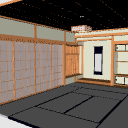
configuration 配置
-
default layout 初期レイアウト
-
Yokogumi shoji 横組障子
-
Yokoshige shoji 横繁障子
-
Shoji with waist 腰付障子
-
Yukimi shoji 雪見障子
-
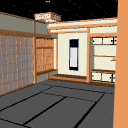
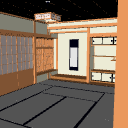
Basic alcove & edge & aragumi shoji 基本の床の間&くれ縁&荒組障子




Other materials by ましゃけみ改めつきかぜ


Popular “3D object” materials


New materials





-
 MVP ◆This user has contributed greatly to the management of the community, by posting many great responses to the questions asked. Once every three months, MVPs are determined based on the points earned during that period and will be recognized accordingly.
 -
 New Valuable Player (NVP) ◆These are the next-best contributors to the community after MVPs. This is awarded to users who have not yet won an MVP award, based on the number of points they have earned.
 -
 Official Expert ◆Chosen out of all MVP awardees, who are already proof of excellence, this is a testimony of outstanding correspondence in the community. After careful screening, they are appointed by CELSYS and assume their position.Note: Formally called “Evangelists”
 -
 Official Moderator of CELSYS ◆Moderators are official CELSYS staff members who are fluent in Japanese as well as various other languages. Moderators are not experts on the software or illustration, so they are not able to directly answer your questions. However, moderators provide communication and language support to ensure that everyone can smoothly communicate with each other.
 -
 CELSYS official accountThe Official Administrator Account