무료 배포 기간은 끝났지만 압도적인 성원에 대한 감사의 표시로 브러시를 재작업하고 두 개를 더 추가하고 더 흥미로운 블렌딩을 위해 다양한 원색의 두 번째 색상 세트 전체를 포함 했습니다! 업데이트된 자료는 물론 이미 다운로드한 모든 사람에게 여전히 무료입니다. 정말 고마워요!
전통적인 아날로그 아크릴은 페인트를 칠하는 것이 재미있지만 지저분하고 비쌀 수 있습니다. 그래서 연습할 수 있는 작은 키트가 재미있을 것 같다고 생각했고, 전통적인 미디어에 관심이 있는 다른 사람들을 위해 초보자용 세트로 만들기로 결정했습니다.
이 키트에는 다음이 포함됩니다.
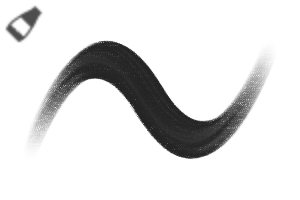
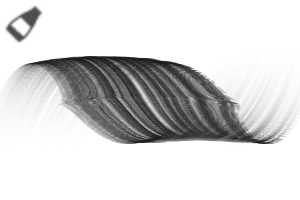
- 브러시 4 개, 질감, 원형 브러시 1개, 평면 브러시 1개, 부채꼴 모양 브러시 1개, 라이너 1개. 이것들은 매우 단순하고 기본적인 아크릴 붓놀림을 모방하기 위한 것입니다. 자동 혼합 기능은 실제 페인트와 마찬가지로 두 색상이 겹칠 때만 발생합니다. 믹스 위에 두 번째 색상을 더 많이 적용하면 더 이상 혼합하는 대신 해당 색상의 원래 색조를 얻을 수 있습니다.
- 빠르고 정확한 블렌딩을 위한 텍스처 블렌더 도구 1개
- 2 개의 색상 세트, 각 기본 색상에 사용되는 3가지 전통적인 음영, 3가지 갈색 음영, 기본 흑백 음영, 각 원색/갈색 색조에 대한 6가지 추가 음영의 보조 견본과 2개의 사전 혼합 회색이 있는 기본 팔레트. 모든 색상은 실제 페인트 색조를 기반으로 하며 다른 빨간색, 파란색 및 노란색을 혼합하면 다른 보조 색상을 얻을 수 있습니다! 그리고 세 번째 색조를 섞으면... 누가 알아?
이것은 전통적인 키트이기 때문에 다른 모든 색상은 각 개별 프로젝트에 대해 혼합되어야 합니다. 이렇게 하면 매번 독특하고 다양한 음영이 생성 되지만 처음에는 요령을 터득하기가 약간 어려울 수 있습니다. 작은 색상 점을 추가하고 한 번에 조금씩 혼합하고 여전히 색상이 흐릿하다면 하나 또는 두 색상의 다른 음영을 깨뜨릴 때일 수 있습니다! Color Mixing Palette는 이에 매우 유용하며 블렌더 도구를 사용하더라도 손으로 하는 것보다 더 좋은 결과를 생성합니다. 당신이 만든 작품에 대해 새로운 색상을 저장하는 것을 잊지 마십시오!
전통적인 페인트를 사용하는 방법 :
전통적인 페인트의 이름은 자신의 색상을 혼합할 가능성과 마찬가지로 위협적으로 들릴 수 있지만 긴장할 필요는 없습니다! "카드뮴" 또는 "티타늄"과 같은 멋진 이름은 원래 특정 색상을 제조하는 데 사용된 요소와 재료를 나타냅니다. 그들은 단지 주변에 머물렀고 시간이 지남에 따라 공식 이름이되었습니다.
색상 혼합에 관해서는...
검은 색은 색 조에 추가되고 흰색 은 색조를 만드는 데 사용됩니다 . 검은색과 흰색을 혼합하여 회색을 만들고 색상에 추가하여 톤을 만들 수 있습니다. 과도하게 사용하지 않도록 주의하거나 색상이 흐릿하거나 색이 바래질 수 있습니다!
갈색 은 일반적으로 전통적인 미디어의 음영에 적합하며 종종 검은색보다 더 다재다능합니다. 배우는 가장 좋은 방법은 직접 시도하는 것입니다.
기본 색상의 다양한 음영은 특정 색상을 더 잘 혼합하는 데 도움이 됩니다.
예를 들어:
퀴나크리돈 레드는 오렌지에 더 적합한 카드뮴 레드보다 바이올렛/퍼플을 혼합하는 데 더 적합합니다.
아크릴의 재미 중 하나는 어떤 색상을 만들 수 있는지 실험하는 것입니다!
색상이 어떻게 혼합되고 일치하는지 배우는 데 관심이 있다면 Color Theory를 읽는 것이 좋습니다. https://mymodernmet.com/basic-color-theory/
내 다른 전통 기초 자료를 확인하려면 태그 # traditional_basics !
The free distribution period has ended, but as thanks for the overwhelming support, I've reworked the brushes, added two more, and included an entire second color set of diverse primary hues for more interesting blending! The updated materials are of course still free for everyone who already downloaded them. Thanks so much!
Traditional, analog acrylics are fun to paint with, but they can be messy and also expensive, what with all the mixing you have to do. So I thought a small kit to practice with might be fun, and then I decided to just make it a beginner's set for anyone else who might be interested in traditional media.
This kit includes:
- FOUR Brushes, textured, one round, one flat, one fan-shaped, and one liner. These are meant to mimic very simple, basic acrylic brushstrokes. The auto-blending function only occurs when two colors overlap, just like it would with real paint. Applying more of the second color on top of the mix will eventually give you the original hue of that color instead of mixing it further.
- 1 Blender tool, also textured, for quick, precise blending
- TWO Color Sets, a basic palette with 3 traditional shades used for each of the primary colors, 3 shades of brown, and basic black and white, and a supplementary swatch of six additional shades for each primary/brown hue, as well as two pre-mixed greys. All colors are based on real paint hues, and mixing different reds, blues, and yellows will give you different secondary colors! And if you mix in a third hue... who knows?
Because this is a traditional kit, all other colors are meant to be mixed for each individual project. This creates unique, varied shades each time, but it can be a little frustrating to get the hang of at the beginning. Try adding small dots of color and blending them a little at a time, and if you still get muddled colors, maybe its time to break out a different shade of one or both colors! The Color Mixing Palette is quite useful for this, and produces nicer results than doing it by hand, even with the blender tool. Just remember to save your new colors for the works you made them for!
How to use traditional paint:
The names of traditional paint can sound intimidating, as can the prospect of mixing your own colors, but there's no need to be nervous! Those fancy names like "Cadmium" or "Titanium" refer to the elements and materials originally used to manufacture those particular hues. They've just stuck around and become the official names over time.
As for color mixing...
Black is added to colors to create shades, while white is used to create tints. You can mix black and white to make grey, which is added to colors to create tones. Just be careful not to overuse them, or your colors might end up dull or washed out!
Browns are generally great for shading in traditional media, and often more versatile than black. The best way to learn is to try it out yourself.
The different shades of the primary colors are to help mix certain colors better.
For example:
Quinacridone Red is better suited for mixing violet/purple than Cadmium Red, which is better suited for oranges.
Part of the fun of acrylics is experimenting to find what colors you can create!
I recommend reading up on Color Theory if you're interested in learning how colors mix and match. https://mymodernmet.com/basic-color-theory/
If you'd like to check out my other Traditional Basics Materials, search the tag #traditional_basics !









 MVP ◆질문에 적절한 답변을 많이 게시하고 커뮤니티 운영에 크게 공헌한 사용자입니다. MVP는 3개월에 한 번, 그 사이에 획득한 포인트를 바탕으로 결정하고 표창을 실시하고 있습니다.
 NVP(New Valuable Player) ◆MVP 다음으로 커뮤니티 운영에 공헌한 사용자입니다. 이제까지 MVP 수상 경험이 없는 분 중에서 획득한 포인트를 바탕으로 결정하여 표창을 실시하고 있습니다.
 공식 엑스퍼트 ◆뛰어난 응답자의 증표인 MVP수상자 중에서 선택된 커뮤니티에서 가장 뛰어난 응답자의 증표입니다. 심사를 거쳐서 저희 회사에서 의뢰할 경우 취임되십니다.※ 옛 명칭 '에반젤리스트'
 셀시스 공인 모더레이터 ◆모더레이터는 일본어와 기타 언어로 말할 수 있는 셀시스 공인 스태프입니다. 소프트웨어나 창작 전문가가 아니므로 직접 의문을 해결할 수는 없지만 여러분이 순조롭게 소통할 수 있도록 언어나 커뮤니케이션 측면에서 지원합니다.
 셀시스 공식운영에 관련된 공식 계정입니다.