



Ajustes de capa para tonos de puntos CMYK con textura áspera que permiten editar el tamaño del tono Layer settings for gritty textured cmyk dot tones that allow to to edit tone size
Vale, esto puede parecer un número confuso de pasos extra para un problema que nadie tiene al principio, pero escúchame. Mi problema es que me gusta el aspecto de los screentones, pero siempre me pierdo en los detalles con los pinceles de screentone. Me gusta poder planificar mis colores y ver cómo quedan sólidos antes de convertirlos en tonos, y me gusta poder ajustar el tamaño de los tonos una vez que los tengo colocados; pero quiero que tengan ese aire áspero de error de impresión que el estilo de capa de screentone no puede crear.
Lo que he hecho es configurar una serie de carpetas con tonos de puntos ásperos y texturizados en diferentes grosores de relleno configurados en Cian, Magenta, Amarillo y Negro. Puedes pintar sobre una capa con cualquier pincel, y automáticamente convertirá tus rellenos en tonos de puntos arenosos al peso de relleno indicado.

Esto te deja libre para planificar tus colores planos y sólidos a tu antojo, luego seleccionarlos y usar la selección para hacer rellenos en las capas CMYK y recrearlos

Esto también te permite editar la escala de los tonos tanto como quieras después de tener los rellenos como quieras, seleccionando el editor de objetos y yendo a "propiedades de herramientas" mientras tienes seleccionada la capa de tonos

Como la textura del punto es áspera e irregular, ayuda a evitar patrones de Moirè cuando cambias la escala de la imagen también. Una vez que tengas los tonos y los rellenos que te gusten, puedes hacer muchos otros pequeños ajustes, retoques, superposiciones y todo eso para que todo parezca un viejo cómic de la Edad de Plata podrido, pero esto debería ser un buen punto de partida.
Puede que haya una forma más sencilla de hacerlo, pero esta es la solución que me ha dado el mejor de los tonos ruidosos, texturizados y falsos tradicionales con facilidad de edición.
Okay this might seem like a confusing number of extra steps for a problem no one has at first, but hear me out. My problem is I like the look of screentones, but I always get lost in the weeds with screentone brushes. I like to be able to plan my colours out and see what they look like solid before I go in and turn them into tones, and I like to be able to adjust the size of the tones after I have them in place; but I want them to have the gritty misprint feel that the screentone layer style can’t create.
So what I have done is set up a series of folders with gritty, textured dot tones in different fill weights set to Cyan, Magenta, Yellow, and Black. You can paint on a layer with any brush, and it will automatically convert your fills to gritty dot tones at the indicated fill weight.
This leaves you free to plan your flat, solid colours to your heart’s content, then select them and use the selection to make fills on the CMYK layers to recreate them
This also allows you to edit the scale of the tones as much as you want after you have your fills how you like them by selecting the object editor and going to “tool properties” while you have the tone layer selected
Since the dot texture is gritty and irregular, it helps avoid Moirè patterns when you change the scale of the image as well. Once you have your tones and fills how you like them, you can do plenty of other little tweaks and scuffs and overlays and all that to get things looking like a rotting old silver age comic, but this should be a decent jumping off point.
There might be an easier way to do this, but this is the solution I stumbled my way into that gives me the best of noisy, textured faux-traditional tones with ease of editing.


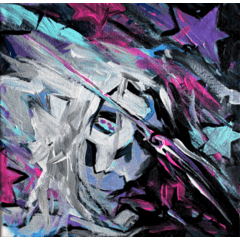


Más materiales de Coelasquid


Materiales populares de Materiales de imagen





Nuevos materiales


Insignias
-
 MVP ◆Estos usuarios han contribuido en gran medida a la gestión de la comunidad, al publicar multitud de útiles respuestas a las preguntas planteadas. Una vez cada tres meses, los MVP son seleccionados en base a los puntos obtenidos durante ese período y, en consecuencia, son reconocidos por su esfuerzo.
 -
 New Valuable Player (NVP) ◆Son las personas que más han contribuido a la comunidad después de los MVP. Este galardón se otorga según los puntos conseguidos a los usuarios que aún no han obtenido ningún premio MVP.
 -
 Especialista oficial ◆Elegidos de entre todos los MVP, quienes ya han demostrado ser de inestimable ayuda, esto es un testimonio de su excepcional apoyo para con la comunidad. Tras un minucioso escrutinio, son nombrados por Celsys para ocupar dicho cargo.Nota: Anteriormente denominados "evangelistas".
 -
 Moderador oficial de Celsys ◆Los moderadores son miembros del personal de Celsys que pueden comunicarse en japonés y otros idiomas. No son expertos en software o ilustración, por lo que no pueden responder directamente a las preguntas. Sin embargo, tratarán de asegurarse de que la comunicación entre usuarios de distintas lenguas sea tan fluida y comprensible como sea posible.
 -
 Cuenta oficial de CelsysCuenta oficial del administrador